01
Stage 1 · audit
Document the baseline
Collect available reports, starting metrics, workflow notes and definitions for financial measures.
A clear transition plan and a consistent before-and-after comparison.

Revenue for the period: $1,200 / month
Subscribers: 2,200
Revenue for the period: $6,072 / month
Subscribers: 13,099
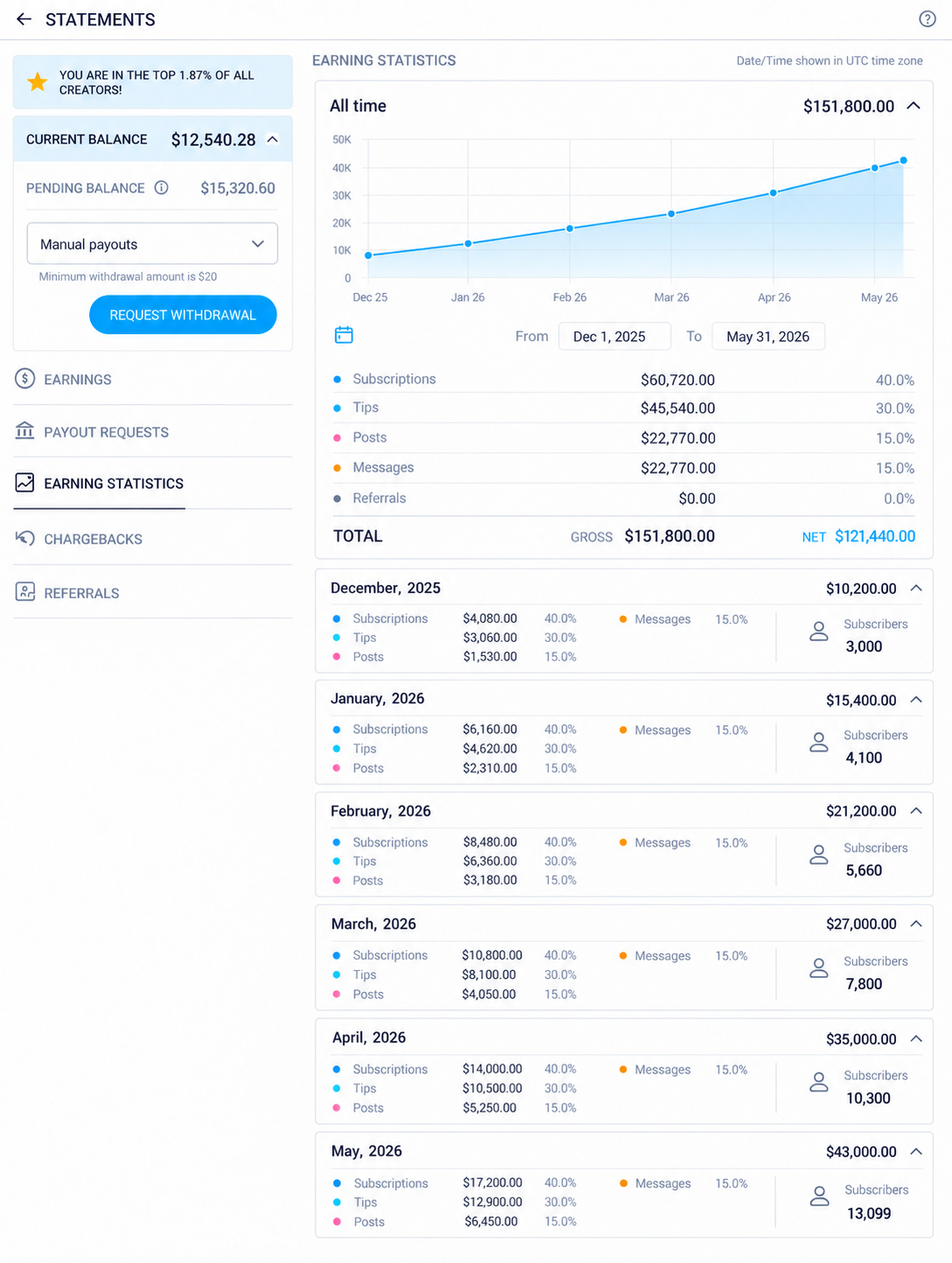
Accounting note: $151,800 in breakdown. Expenses are shown separately; the accounting basis must be verified for each case.
| Month | Revenue | Subscribers |
|---|---|---|
| M1 | $10,200 | 3,000 |
| M2 | $15,400 | 4,100 |
| M3 | $21,200 | 5,660 |
| M4 | $27,000 | 7,800 |
| M5 | $35,000 | 10,300 |
| M6 | $43,000 | 13,099 |
Collect available reports, starting metrics, workflow notes and definitions for financial measures.
Align objectives, ownership and the sequence of changes while maintaining control of access and materials.
Introduce agreed changes in a controlled sequence and record when and why they were made.
Compare like-for-like periods and document methodology, expenses and factors that may affect the outcome.
A transition needs a documented baseline so the new plan is built on evidence rather than assumptions. Objectives, available reports, areas of responsibility and continuity of day-to-day workflows all need to be aligned.
The initial review should cover metric history, content structure, audience and existing workflows. Once priorities are agreed, work can be reorganized, regular reporting introduced and periods compared using consistent accounting rules.
A before-and-after comparison is especially important in a transition case. The review should use comparable periods, explain changes in costs and revenue mix, and distinguish the strategy's contribution from seasonality or other factors.
Expenses are shown separately; the accounting basis must be verified for each case.
Expenses are shown separately; the accounting basis must be verified for each case.
Results depend on the creator, content, market and other factors. Examples are not a guarantee of earnings.